Product Overview
Mira‑Cool is a compact, portable air cooler and heater designed for indoor use. It delivers efficient cooling with a 5‑speed fan and optional heating mode. The unit features a washable filter, energy‑saving timer, and easy‑to‑install mounting kit for versatile placement. Ideal for small rooms, and
Key Features & Model Details
Mira‑Cool Model MRCACL is a dual‑function air cooler/heater that fits comfortably in any living space. It offers a 5‑speed fan system, a heat‑mode setting delivering up to 2000 BTU, and a built‑in 24‑hour timer. Powered by a standard 120 V outlet, it consumes only 350 W in cooling mode and 500 W in heating mode, making it an energy‑efficient choice for budget‑conscious users.
- Compact 12‑inch diameter and 3‑inch height allow placement on desks, tables, or floor stands.
- Washable, HEPA‑grade filter captures dust, pollen, and airborne allergens; replace every 3 months for optimal performance.
- Quiet operation: < 45 dB at the lowest fan speed, ensuring a peaceful environment for work or sleep.
- Easy‑to‑install mounting kit includes brackets and a 2‑foot extension pole for wall or ceiling mounting.
- LED display shows temperature, fan speed, mode, and filter status; backlit for low‑light visibility.
- Safety features: over‑heat protection, tip‑over switch, and automatic shut‑off when the filter is clogged.
- Travel‑friendly design: lightweight 2.5 kg and a detachable handle for on‑the‑go use.
Model MRCACL is available in two color options: matte black and brushed aluminum. It comes with a 2‑year limited warranty covering manufacturing defects and a 30‑day return policy for customer satisfaction.
For advanced users, the unit supports remote control via a dedicated mobile app that allows scheduling, fan speed adjustments, and temperature monitoring from anywhere. The app syncs over Wi‑Fi, providing real‑time alerts if the filter needs cleaning or if the unit detects a malfunction. This connectivity feature enhances convenience without compromising the device’s low‑power footprint.
The unit’s LED display shows temperature, fan speed, mode, and filter status; it is backlit for low‑light visibility. A built‑in humidity sensor automatically adjusts fan speed to maintain indoor humidity between 30% and 50%, reducing mold risk and improving air quality for sensitive occupants or pets. Enjoy! OK
Safety Precautions
Keep unit away from water and flammable materials. Use only the supplied power cord, and avoid overloading outlets. Check the filter regularly; replace if dirty. Do not block vents, and never leave the unit unattended during operation. Keep the unit on a stable surface.!!!
Electrical and Operation Safety
Always use unit with a grounded outlet that meets manufacturer’s voltage specifications. Supplied power cord should never be frayed or damaged; replace it immediately if any wear is observed. Do not use extension cords or power strips that exceed unit’s current rating, as this can cause overheating or electrical shock. Device is designed for indoor use only; do not expose it to moisture, rain, or high humidity environments that could compromise electrical components. When operating cooler or heater, keep unit on a flat, stable surface to prevent tipping. Never place unit on a bed, sofa, or other soft surfaces that could block airflow or cause unit to overheat. The unit’s fan speed can be adjusted via the control panel; selecting a speed that is too high for the room size can cause noise and reduce efficiency.! Unit’s thermostat should be calibrated correctly; if it reads incorrectly, contact manufacturer for service. Always unplug unit when cleaning or replacing filter, and allow unit to cool completely before touching any internal components. Unit’s safety switch should be engaged powering on; if unit does not start, check outlet and circuit breaker. Do not attempt to repair unit yourself; contact a qualified technician for any electrical issues. Follow all local electrical codes and regulations when installing or operating the unit. By adhering to these guidelines, you can ensure safe and efficient operation of your Mira‑Cool air cooler/heater. Always Keep unit ventilated.!!!!
Installation Guide
Place the unit on a flat surface with at least 12 inches clearance from walls. Connect the supplied power cord to a grounded outlet. Use the included mounting brackets to secure the unit to a wall or ceiling. Verify all connections are tight before powering on. Run a test cycle to confirm operation
Setup and Mounting Instructions
Follow these steps to install your Mira‑Cool unit. The unit can be mounted on a wall or placed on a floor. Ensure a level surface, a 120‑V grounded outlet, and the supplied mounting kit.
- Unpack the unit and inspect for damage. Clean the fan blades.
- Place the unit on a stable surface. For wall mounting, attach the brackets to the unit and align them with wall marks.
- Pre‑drill holes, secure brackets to the wall with appropriate anchors, and verify level.
- Connect the power cord to the unit’s inlet and plug into a grounded outlet.
- Turn on the unit and adjust fan speed. Verify airflow and quiet operation.
- For floor mounting, secure the unit with floor brackets and ensure stability.
- Set desired temperature using the control dial; the unit auto‑switches between modes.
- Confirm cords are clear, unit is level, and mounting is secure.
- Clean the filter monthly: remove, rinse with lukewarm water, dry, and reinstall.
After installation, perform a quick test: set the unit to the lowest fan speed, observe airflow, and ensure the thermostat responds to temperature changes. If irregularities occur, consult troubleshooting
For optimal efficiency, keep the unit away from direct sunlight and high‑humidity areas. Ensure that the filter is replaced every 3 months or sooner if the unit is used frequently. Proper ventilation around the unit enhances performance.
Enjoy the comfort
Operating Instructions
Turn on the unit by pressing the power button; Select mode: cool, heat, or fan. Adjust fan speed with the dial. Set temperature via the thermostat display. Use the timer to schedule operation. Monitor filter status and replace when dirty. Keep unit clean. Enjoy. Now.
Powering On and Control Settings
Plug the Mira‑Cool into a grounded 120 V outlet and press ON/OFF. The indicator lamp confirms operation. After 30 minutes idle, it enters standby to save energy. The standby indicator remains lit, letting you know when the unit is ready for use. for savings.
Select mode by rotating the dial: a snowflake icon for cooling, a flame icon for heating, and a fan icon for circulation. As you turn the dial, the LED confirms the chosen mode, and the unit adjusts its settings automatically. for control.
Turn the speed knob to choose 1–5 airflow levels. Speed 1 offers a gentle breeze; speed 5 delivers maximum airflow for rapid cooling or heating. The unit automatically modulates fan speed to maintain the selected setting, providing consistent comfort. for comfort.
Set the desired temperature on the thermostat display. For cooling, press “+” or “–” until the target appears; the unit will adjust fan speed to reach it. For heating, use the same controls. The thermostat also shows temperature, giving you feedback. for settings.
Timer: press “Timer,” set start/end times with “+”/“–.” The unit powers on/off automatically at those times. A blinking clock icon indicates the timer is active. You can also set a 24‑hour schedule for seasonal operation, ensuring the unit runs needed. for use.
Keep the filter clean; replace monthly or when the warning light shows. Place the unit on a flat surface, 12 inches from walls for airflow. Sensors shut it down if the filter is clogged or the unit is too close, overheating. for safety.
Cooling Operation
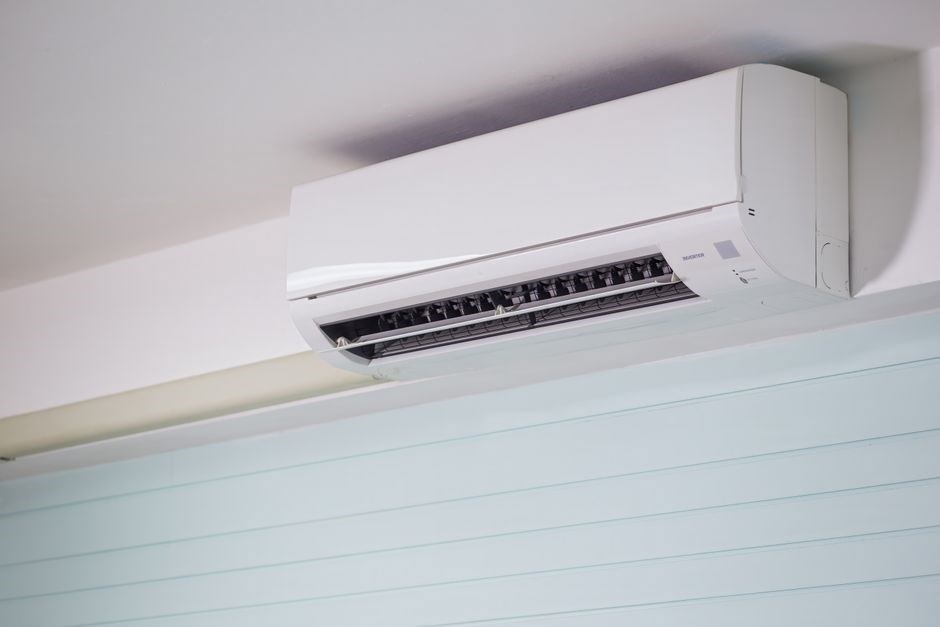
The Mira‑Cool cools by drawing warm air, passing it over a chilled evaporator coil, and blowing cool air through the fan. Set the desired temperature, and the unit automatically adjusts fan speed to maintain it. A built‑in sensor stops operation if the filter is clogged. Set fan speed for comfort now
Fan Speed and Cool Mode Settings
The Mira‑Cool offers five selectable fan speeds—Low, Medium‑Low, Medium, Medium‑High, and High—allowing users to balance airflow with energy consumption. In Cool Mode, the unit automatically adjusts the fan speed based on the temperature sensor’s reading. When the room temperature rises above the setpoint, the fan ramps up to high, then gradually slows as the desired temperature is approached. Users can manually override the automatic setting by pressing the Fan button; each press cycles through the speed levels. The Cool button activates the cooling cycle, engaging the evaporator coil and turning on the fan. The display shows the current fan speed and mode, and a Timer feature lets you schedule the unit to turn on or off at specific times. For optimal performance, keep the filter clean and ensure the unit is placed near a window or vent for adequate airflow. If the fan speed feels too noisy, try setting it to Medium‑Low or Medium, which still provides effective cooling while reducing sound. The fan speed can also be adjusted during the cooling cycle by pressing the Fan button; the unit will immediately respond to the new setting. By combining the appropriate fan speed with the Cool Mode, users can achieve a comfortable indoor environment while conserving energy. The unit’s quiet operation and energy‑efficient design make it suitable for bedrooms, offices, and living rooms, providing year‑round comfort without excessive noise. Stay cool.!!!
Heating Operation
The Mira‑Cool heater uses a compact electric coil to warm indoor air; Set the desired temperature via the control panel; the unit maintains it by cycling the heater on and off. A built‑in thermostat ensures safe operation, and the fan circulates warm air evenly. Warm up.
Temperature Control and Heat Mode
To activate heating, press the Heat button on the front panel. The unit’s built‑in thermostat allows you to set a target temperature between 60°F and 90°F (15°C‑32°C). Once the desired setting is entered, the display will show the current room temperature and the target. The heater will automatically cycle on and off to maintain the set point, ensuring consistent warmth without overheating.
For convenience, the device offers three preset heat modes: Low, Medium, and High. Each mode adjusts the heating element’s power level and fan speed to match the room size and insulation. Select a mode by pressing the Mode button until the icon changes to the desired setting. The Fan button can be used to toggle the fan, allowing you to circulate warm air or let the heater operate
Safety features include an automatic shut‑off if the unit overheats or if the fan fails to start. The heater also has a child‑proof lock that disables the power button when engaged. For energy savings, use the Timer function: set a start and stop time, and the unit will turn on and off accordingly. The timer can be programmed for up to 24 hours. !!!
To monitor performance, the digital display shows real‑time temperature, fan speed, and remaining runtime if the timer is active. If the temperature does not rise within 10 minutes, the unit will display an error code and recommend checking the filter or contacting support.

Maintenance & Cleaning
Keep the Mira‑Cool running by cleaning its filter every month. Detach the front cover, wipe the filter with a cloth, reattach. Empty the water reservoir weekly, rinse, and dry. Inspect fan blades for debris and ensure the unit sits on a level surface to maintain airflow.
Filter Replacement and Air Duct Cleaning
Regular maintenance is essential for optimal performance of the Mira‑Cool air cooler/heater. The unit employs a washable HEPA‑grade filter that captures dust, pollen, and airborne particles. Replace the filter every 30 days during heavy use or 60 days in normal conditions. To replace, open the front panel, remove the old filter, rinse it under lukewarm water, allow it to dry completely, then reinstall. If the filter becomes visibly clogged or the airflow noticeably decreases, replace it immediately.
After maintenance, test the unit by turning it on and verifying fan speed, and temperature settings. A clean filter and duct will provide quieter operation, better airflow, and extended lifespan for the Mira‑Cool system.
- Step 1: Power off the unit and unplug from the outlet.
- Step 2: Remove the front panel by sliding the release latch.
- Step 3: Detach the filter; rinse with lukewarm water and let dry.
- Step 4: Inspect the duct for dust; vacuum or wipe with a damp cloth.
- Step 5: Reassemble components, ensuring the filter is seated properly.
- Step 6: Plug in and test for proper airflow.
For optimal longevity, store the unit in a dry place when not in use. Avoid placing it near heat sources or in sunlight. Keep the filter area free of pet hair and debris. Regularly inspect the power cord for fraying and replace if damaged. Following these guidelines maintain extend your Mira‑Cool system.
Troubleshooting & FAQ
Common issues: unit won’t start—check power, reset switch. Fan stalls—clean filter. Heater off—verify heat mode. If no cool air, replace filter. For persistent problems, contact support. If fan noise rises, clean blades. Check thermostat. If unit stops, check error. Now
Common Issues and Answers
Unit does not power on: Verify the outlet is functioning, ensure the power cord is securely connected, and check the on/off switch. Reset the device by unplugging for 30 seconds and reconnecting. 2. Fan runs but no cool air: Inspect the water reservoir; refill if below the minimum line. Clean or replace the filter, as a clogged filter restricts airflow. 3. Heater mode fails: Confirm the heat setting is selected, and the thermostat is set above room temperature. Check for error codes on the display. 4. Fan speed is inconsistent: Make sure the speed control is set correctly; if the fan stalls, clean the motor bearings and blades. 5. Excessive noise: Tighten all mounting screws and ensure the unit is level. Vibrations often cause rattling. 6. Water leakage: Inspect the drainage hose for kinks or blockages; straighten or replace if damaged. 7. Display shows “ERROR”: Refer to the error code list in the manual, and follow the suggested steps. If the problem persists, contact customer support. 8. Unit shuts off during operation: This may indicate a thermal overload; allow the unit to cool for 10 minutes before restarting. 9. The cooler’s humidity level is low: Increase the fan speed or add a small water source to raise humidity. 10. Remote control not responding: Replace the batteries and ensure the remote is pointed directly at the unit. If still unresponsive, reset the remote pairing by holding the sync button for 5 seconds. For any unresolved issues, consult the troubleshooting section of the user manual or reach out to the manufacturer’s support line for assistance. Help us now !!