Echo Weed Eater Manual: A Comprehensive Guide
This manual provides essential guidance for safe operation, maintenance, and troubleshooting of your Echo weed eater, ensuring optimal performance and longevity․
Understanding the provided documentation, including safety precautions and specifications, is crucial for responsible use and preventing potential hazards․
Understanding Your Echo Weed Eater
Familiarizing yourself with your Echo weed eater’s components is paramount for effective operation and maintenance․ This includes recognizing the engine, cutting head, fuel tank, and harness assembly․
The SRM-225, for example, features specific engine displacement and fuel capacity, detailed in the specifications․ Knowing these details aids in proper fueling and performance expectations․
Understanding how parts interact – from the cutting line feed to the gear case – allows for informed troubleshooting and preventative care, extending the life of your equipment․ Always refer to the operator’s manual for detailed diagrams and explanations․
Safety First: Important Precautions
Prioritize safety by thoroughly reading both the operator’s and safety manuals before use, understanding all warnings to prevent injury during operation․
Reading the Operator’s and Safety Manuals
Echo strongly emphasizes the critical importance of reading both the operator’s manual and the separate safety manual before operating your weed eater․ These documents contain vital information regarding proper usage, potential hazards, and preventative measures to ensure your safety and the safety of those around you․
Failing to understand the instructions and warnings can lead to serious personal injury․ The operator’s manual details the specific functions and maintenance procedures for your model, while the safety manual outlines general safety guidelines and potential risks associated with power equipment․ Thorough comprehension of both is non-negotiable for safe and effective operation․
Understanding Warning Labels
Echo weed eaters are equipped with prominent warning labels designed to alert operators to potential hazards․ These labels are not merely suggestions; they are critical safety instructions that must be understood and followed diligently․ Pay close attention to warnings regarding hot surfaces, such as the muffler and catalytic muffler cover, which can cause severe burns․
Be aware of the California Proposition 65 warning concerning engine exhaust chemicals known to cause cancer or reproductive harm․ Familiarize yourself with all symbols and text on the labels before each use, ensuring a safe operating environment and minimizing the risk of injury․
Personal Protective Equipment (PPE)
Prioritizing safety requires utilizing appropriate Personal Protective Equipment (PPE) whenever operating your Echo weed eater․ This includes, at a minimum, eye protection – safety glasses or a face shield – to guard against flying debris․ Hearing protection, such as earplugs or earmuffs, is essential due to the engine’s noise levels․
Wear sturdy, closed-toe footwear and long pants to protect your legs and feet․ Gloves will enhance grip and provide hand protection․ Proper PPE significantly reduces the risk of injury from projectiles, noise exposure, and skin contact․
Assembly and Initial Setup
Proper assembly and initial setup are vital for safe and efficient operation of your Echo weed eater․ Carefully follow the instructions for attaching components and making adjustments․
Attaching the Cutting Head
Securely attaching the cutting head is a fundamental step in preparing your Echo weed eater for operation․ Ensure the head is properly aligned with the drive shaft before tightening․
Rotate the cutting head until it clicks firmly into place, verifying a positive lock․ Incorrect attachment can lead to instability and potential hazards during trimming․ Double-check the security of the attachment before each use, preventing accidental disengagement while working․
Refer to the operator’s manual for specific instructions related to your model’s cutting head type, as procedures may vary․
Fueling Your Echo Weed Eater
Proper fueling is critical for optimal engine performance and longevity of your Echo weed eater․ Always use a fresh fuel mix of gasoline and high-quality 2-cycle engine oil, adhering to the ratio specified in your operator’s manual․
Fuel in a clean, approved container in a well-ventilated area, away from open flames or sparks․ Avoid overfilling the fuel tank, leaving space for expansion․ Wipe up any spills immediately to prevent damage and fire hazards․
Never use straight gasoline, as it will damage the engine․
Adjusting the Harness
A properly adjusted harness significantly enhances comfort and reduces operator fatigue during extended use of your Echo weed eater․ Begin by loosening all straps, then position the harness comfortably on your shoulders․
Tighten the shoulder straps to distribute the weight evenly, ensuring the engine doesn’t pull downwards․ Adjust the waist belt for a secure fit, preventing the unit from bouncing․
Confirm the harness supports the weight effectively, allowing free movement while maintaining control․ Regular adjustments may be needed for optimal comfort;
Operation Instructions
Successfully operating your Echo weed eater requires understanding starting procedures, trimming techniques, and line feed adjustments for efficient and safe vegetation control․
Starting the Engine
Before attempting to start your Echo weed eater, ensure the cutting head is clear of obstructions and the unit is placed on a stable, level surface․ Confirm proper fuel levels and engage the choke for cold starts, following the specific instructions detailed in your operator’s manual․
Firmly grasp the starter grip and pull briskly; avoid retracting the cord completely․ Repeat as needed, disengaging the choke once the engine attempts to start․ Always maintain a secure grip and be aware of the recoil starter’s force․
Proper Trimming Techniques
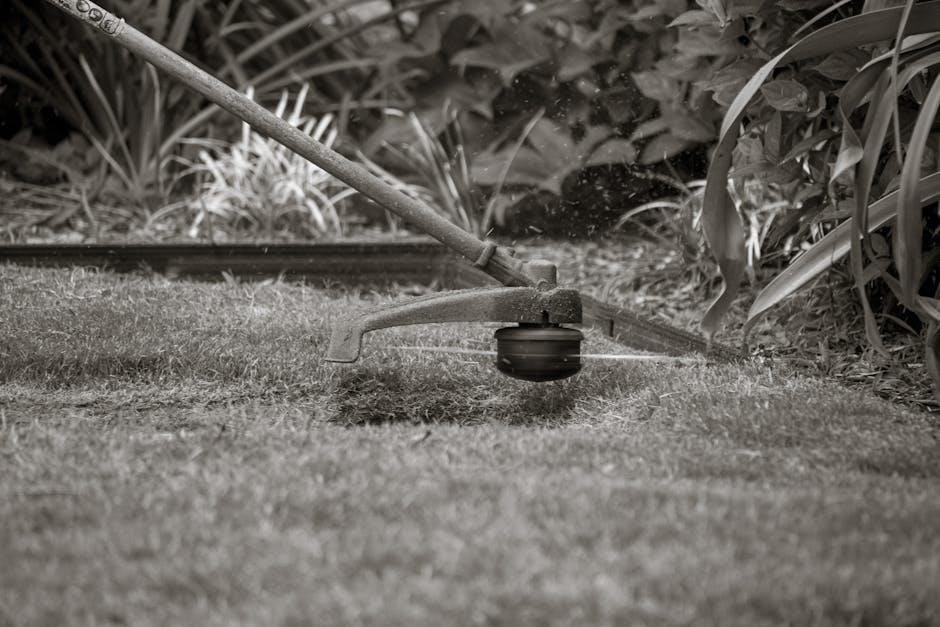
Employ a sweeping motion, maintaining a slight angle with the cutting head, to effectively trim grass and weeds․ Avoid forcing the line into dense vegetation, allowing the trimmer to work at its own pace for optimal results and reduced strain on the engine․
Walk at a steady pace, overlapping each pass slightly to prevent uncut areas․ Be mindful of surrounding objects and maintain a safe distance to avoid damage or injury․ Regularly inspect the cutting line for wear and replace as needed․
Adjusting Cutting Line Feed
The Echo weed eater’s line feed system is designed for bump advancement; gently tap the cutting head on the ground while the engine is running to release more line; Avoid excessive bumping, as this can damage the mechanism and waste line․
If the line doesn’t advance, ensure the engine is running at the correct speed and the spool is properly loaded․ Inspect the line feed knob for any obstructions or damage․ Regular maintenance ensures smooth and efficient line feeding during operation․
Maintenance and Care
Regular maintenance, including cleaning, lubrication, and inspection, is vital for extending the life and ensuring the reliable performance of your Echo weed eater․
Cleaning the Air Filter
Maintaining a clean air filter is paramount for optimal engine performance and longevity of your Echo weed eater․ A dirty air filter restricts airflow, leading to reduced power and increased fuel consumption․
Inspect the air filter frequently, and clean it after every five hours of operation, or more often in dusty conditions․ Remove the filter cover and carefully tap the filter to dislodge loose debris․ For thorough cleaning, wash the filter in mild soapy water, rinse completely, and allow it to dry fully before reinstallation․
Replace the air filter when it becomes damaged or excessively dirty, ensuring continued efficient operation of your equipment․
Spark Plug Maintenance
Regular spark plug maintenance is vital for reliable engine starting and consistent performance of your Echo weed eater․ A fouled or worn spark plug can cause starting difficulties, misfires, and reduced power output․
Inspect the spark plug periodically for signs of wear, carbon buildup, or damage․ Clean the spark plug with a wire brush, ensuring the gap is correct according to the specifications in your operator’s manual․ Replace the spark plug annually, or sooner if issues arise․
Always use the recommended spark plug type for your specific Echo model to maintain optimal engine function․
Gear Case Lubrication
Maintaining proper gear case lubrication is crucial for the longevity and smooth operation of your Echo weed eater’s drive shaft and gears․ The gear case protects these vital components from wear and tear, reducing friction and preventing premature failure․
Check the gear case oil level regularly and replenish as needed with the recommended ECHO gear case lubricant․ Avoid using alternative oils, as they may not provide adequate protection․ Ensure the gear case is sealed properly to prevent leaks and contamination․
Follow the lubrication intervals outlined in your operator’s manual․
Troubleshooting Common Issues
Addressing common problems like starting difficulties, line breakage, or excessive vibration ensures continued, efficient operation of your Echo weed eater․
Engine Won’t Start
If your Echo weed eater engine fails to start, several factors could be at play․ First, verify the fuel tank contains a fresh fuel mixture, adhering to the recommended gasoline-to-oil ratio specified in your operator’s manual․
Next, inspect the spark plug for fouling or damage; a clean, properly gapped spark plug is essential for ignition․ Ensure the choke is engaged correctly, especially when starting a cold engine․
Also, check the air filter for obstructions that might restrict airflow․ Finally, confirm the ignition switch is functioning and the safety interlock is properly engaged before attempting to restart․
Cutting Line Breaks Frequently
Frequent cutting line breakage indicates several potential issues with your Echo weed eater․ Examine the trimmer head for proper line winding and ensure the line isn’t tangled or pinched․ Using the incorrect diameter cutting line, exceeding the unit’s specifications, will cause premature breakage․
Inspect the areas you are trimming; encountering hard surfaces like fences, rocks, or concrete will rapidly wear through the line․
Also, verify the line feed mechanism is functioning smoothly, allowing for consistent line advancement․ Consider using a heavier gauge line for tougher trimming tasks․
Vibration Issues
Excessive vibration during operation signals a potential problem requiring immediate attention․ Check that all components, including the trimmer head, shield, and handle, are securely fastened; loose parts contribute significantly to unwanted vibration․
Inspect the engine mounting hardware for any signs of damage or loosening․ Worn engine mounts or damaged anti-vibration components must be replaced promptly․
Ensure the cutting head is balanced and free from debris․ Prolonged exposure to vibration can cause operator fatigue and potential long-term health effects․
Parts and Serial Number Information
Locating your Echo weed eater’s serial number is vital for ordering correct replacement parts and accessing warranty services efficiently․
Locating the Serial Number
Identifying your Echo weed eater’s serial number is a crucial step for accurate parts ordering and efficient warranty support․ Typically, this unique identifier is found on the engine housing or the main unit body․
Carefully inspect the areas near the air filter cover, the starter assembly, or the fuel tank․ The serial number is usually stamped or affixed with a label․ Record this number in a safe place, as it’s essential when contacting Echo customer service or purchasing replacement components․
Having the serial number readily available streamlines the process and ensures you receive the correct parts for your specific model․
Ordering Replacement Parts
To ensure the longevity and optimal performance of your Echo weed eater, timely replacement of worn or damaged parts is essential․ You can order genuine Echo replacement parts through authorized Echo dealers, either locally or online․
When ordering, always have your unit’s serial number readily available․ This guarantees you receive the correct components specifically designed for your model․
Alternatively, visit the official Echo-USA website; they often have a parts lookup tool․ Accurate part numbers are vital for a successful order and proper repair․
Specifications (SRM-225 Example)
The SRM-225 boasts a 21․2 cc engine displacement, a 17․2 oz fuel capacity, and weighs approximately 9․1 lbs dry, offering power and balance․
Engine Displacement
The engine displacement of your Echo weed eater is a critical specification, directly impacting its power and performance capabilities․ For the SRM-225 model, this value is precisely 21․2 cubic centimeters (cc)․ This measurement signifies the total volume swept by all the pistons within the engine’s cylinders during a single complete cycle․
A larger displacement generally translates to increased power, enabling the unit to tackle denser vegetation more effectively․ Understanding this specification helps users select the appropriate model for their specific landscaping needs and anticipate its operational capacity․
Fuel Capacity
Knowing the fuel capacity of your Echo weed eater is essential for efficient operation and preventing unexpected interruptions during use․ The SRM-225 model boasts a fuel tank capacity of 21․8 fluid ounces (644 milliliters)․ This allows for extended run times, minimizing the frequency of refueling and maximizing productivity․
Always use the recommended fuel mixture – typically a blend of gasoline and 2-cycle engine oil – to ensure optimal engine performance and longevity․ Refer to the operator’s manual for precise mixing ratios․
Weight
The weight of your Echo weed eater significantly impacts user comfort and maneuverability during operation․ The SRM-225 model, as an example, has a dry weight of 9․1 pounds (4․1 kilograms) without any attachments․ This relatively lightweight design reduces operator fatigue, allowing for prolonged use without excessive strain․
Consider the weight when selecting a harness and adjusting it properly for balanced support․ A well-distributed weight minimizes stress and enhances control, improving overall trimming efficiency․